
Gangnam Jubgen: If You Don't Check This One Thing, Your Procedure Fee Will Be Wasted - Must-Read Guide Before Consultation

“Director, I've had filler injections three times for my laugh lines, but they always go back to how they were after a few months.".
Do I have to just repeat this my whole life? I heard Gangnam Jubgen is really different.”
✅ Conclusion first
Even with the same Gangnam Jubben procedure, some people say “I've completely changed,” while others say “I just wasted my money.”.
The reason why the results vary despite using the same equipment comes down to one thing: the practitioner's hand in designing the injection depth and interval down to 0.001cc. This article will pinpoint that difference precisely.
Hello. This is Kim Young-gyun, CEO and Director of Core Dermatology.
There are many posts about Gangnam Jubgen online, but most of them miss the key information that you absolutely need to know before the procedure.
At the end of this article, I will tell you the “single checkpoint in the hospital consultation room that lets you know the hospital's level,” and just knowing this will significantly reduce trial and error.
Today, I will summarize the Gen Za Self-Dermal Regeneration treatment at Gangnam Juvegen in five points.
1. Gangnam Jubgene Autologous Dermal Regeneration: What principle does it use to fill wrinkles and scars?
To be honest, Gangnam Jubgen is not a procedure that ‘fills in’ with something, but a procedure that makes your skin ‘fill up on its own.’.
What does this mean?.
Deep within our skin, in a layer called the dermis, protein fibers called collagen are densely packed.
It acts like a kind of spring that holds the elasticity and volume of the skin.
As you age, these springs break one by one, and the areas where wrinkles fold become permanently creased.
This is why deep laugh lines or frown lines are visible even when you're not making a facial expression.
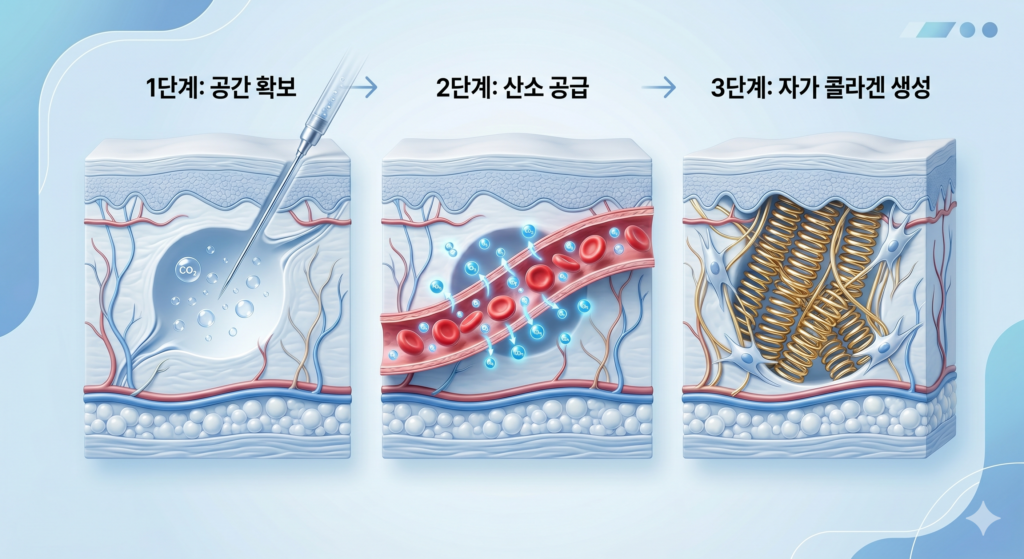
Why are CO₂ and hyaluronic acid alternated?
Juvéderm uses a dedicated automated device to alternately inject extremely small amounts of medical carbon dioxide (CO₂) gas and hyaluronic acid, each 0.001cc, into the same area. Reference: JSDER Official
You probably won't get a feel for it when I say 0.001cc, but it's about 1/100th of a drop from a standard syringe.
It's a really tiny amount.
What is a tribranchial reaction, involving physical, chemical, and biological components?
When this micro-amount enters the dermis, three reactions occur simultaneously.
First, as the CO₂ gas enters, it creates very small spaces in the dermis.
It gently lifts the physically turned-off skin.
Second, CO₂ promotes the release of oxygen in the blood.
In medicine, this is called the ‘Bohr Effect,’ and put simply, it's the phenomenon where oxygen and nutrients rush to an area where CO₂ is present.
There are reports indicating that when CO₂ was directly injected into the dermis in animal experiments, collagen turnover increased much more significantly than with subcutaneous injection. Reference: Ferreira JC et al., J Drugs Dermatol, 2008
Third, hyaluronic acid stimulates fibroblasts (cells that produce collagen) as it is injected into the same area.
When these three are combined, the skin begins to produce large amounts of collagen and elastic fibers on its own.
💬 [Director Kim Young-kyun's Comment]
“When I explain it to patients, I use this analogy: If filler is like ‘pouring cement from the outside,‘ then JuuB-Gen is closer to ”planting seeds in a field and letting them grow into trees." Since the planted seeds grow within my body, there's no feeling of foreignness, and the grown tissue doesn't easily disappear.”
📝 One-line summary: Jubjen is a procedure that awakens the skin's self-regenerative power through the cross-injection of CO₂ and hyaluronic acid, creating new collagen.
2. Fillers and Juvederm are both ‘filling’ procedures, so what's the difference?
To get straight to the point, fillers are for ‘filling,‘ and Juvesse is for 'regeneration.' Their operating mechanisms are completely different.
I get this question a lot.
“Many people say, ”Aren't both of them injected?".
On the surface, they look similar, but when you look closely, they are completely different procedures.
Fillers: ‘Filling,’ Juvederm: ‘Regeneration’ - Key Differences at a Glance
Fillers create volume by directly injecting substances like hyaluronic acid into sunken areas.
The advantage is that it's immediately effective because it fills up the moment you put it in.
By the way.
Fillers are gradually absorbed by our bodies over time.
Usually, after about 6 months to a year, it returns to its original state, and then you have to get it done again.
For those with deep wrinkles, this repetition can continue for two, three, or even more years.
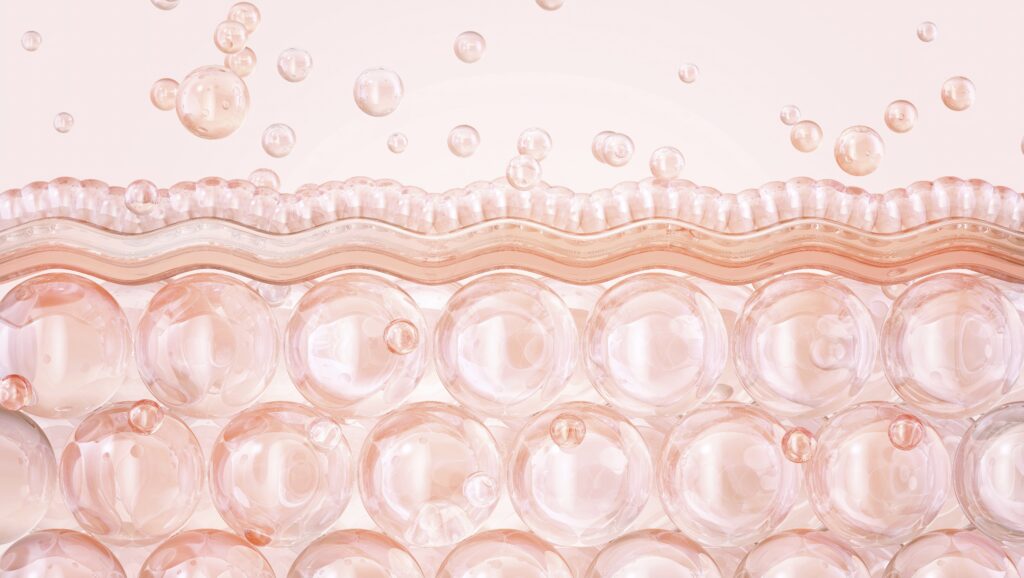
Gangnam Jubugen has a different approach.
It's not about filling the space with an external substance, but rather inducing the creation of new collagen tissue in the dermis of my body.
The crucial difference is that it's my flesh and my collagen being filled.
Moreover, fillers are mainly injected into the fat layer under the skin, whereas Juvederm is injected into the dermis layer above the fat layer.
The sunken part is actually a depression in the dermis, but since the filler goes in deeper than that, it sometimes isn't filled in accurately.
Then are there no cases where fillers are better?
Of course.
If you need volume immediately, such as for a wedding or an important photoshoot, fillers are a much more suitable option.
Gangnam Juvelygen takes time to produce collagen.
Changes gradually begin 2-4 weeks after the procedure and become most prominent around 3 months.
So when I consult, I tell them this.
“If you're in a hurry, fillers; if you want a fundamental solution, Juvgen.”
I'm not a miracle worker by any means. However, if you've found yourself repeatedly using fillers and thinking, “How long do I have to keep doing this?”, then Gangnam Juvegen can be an option to break that cycle.
💬 [Director Kim Young-kyun's Comment]
“To be honest, when someone comes in who has had fillers 3-4 times, I suggest they calculate the total cost. The cost of repeating fillers every 6 months to a year is often not much different from the cost of one or two Juvegen treatments. However, since Juvegen in Gangnam creates tissue that lasts for several years, it's actually more cost-effective in the long run.”
📝 One-line summary: Fillers are immediate but require repetition, while Gangnam Jubgen takes time but fills with your own tissue, allowing for long-term maintenance.
3. For nasolabial folds, acne scars, and frown lines, what concerns can I expect to see results for?
To put it simply, Gangnam Juvzenn is a procedure that performs best on ‘hollowed and sunken areas.".
Gangnam Juvederm is not good for all wrinkles.
Lasers or skin boosters may be more suitable for improving fine wrinkles or skin texture.
Gangnam Juvegen really shines in cases where the dermis itself has collapsed, such as deep wrinkles caused by skin folding or indented scars from acne.
Specifically, if I tell you the areas that many people visit.
There are the most deep nasolabial folds.
Next are frown lines, followed by acne scars.
Some people come for treatments for forehead wrinkles or marionette lines around the mouth, and though rare, some also get treatments for neck wrinkles.
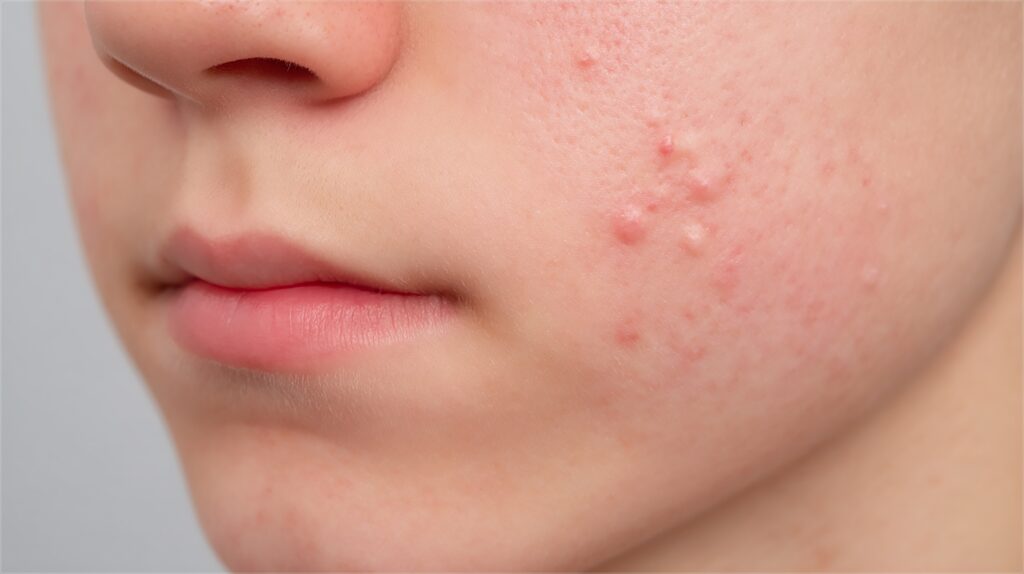
What if it didn't work even after multiple laser treatments?
There are quite a few people who have undergone multiple Fraxel or Pico laser treatments but haven't seen significant improvement in their deep scars.
It's not that the laser is bad, but that the operating principle of the laser itself is different.
Lasers work by inducing regeneration through micro-thermal stimulation of the skin's surface.
It's good for shallow scars or improving skin texture, but it has limitations because the energy cannot sufficiently reach deep into the dermis for severe scars.
Jubgen directly delivers CO₂ and hyaluronic acid to the dermis, so it can address deeper issues more directly.
At Singapore's SL Aesthetic Clinic, for deeply indented atrophic scars, they use a protocol of performing subcision (a procedure to break up scar tissue under the skin) 3-6 times and combining it with fillers as a spacer. Reference: SL Aesthetic Clinic
You can understand Subcission as a procedure that automates the ‘adhesion release‘ and "collagen regeneration induction" of this subcision in a single device.
[Director Kim Young-gyun's Comment] Top 3 Most Frequently Treated Areas at Core Dermatology
💬 [Director Kim Young-kyun's Comment]
“코어피부과에 강남 쥬브젠으로 찾아오시는 분들의 약 40%가 팔자주름, 30%가 미간주름, 20%가 여드름 흉터입니다. 특히 미간주름은 보톡스만으로는 접힌 골 자체가 사라지지 않거든요. 보톡스로 근육 움직임을 줄이고, 쥬브젠으로 이미 패인 골을 차오르게 하는 병합 설계를 많이 하는 편입니다. 다만 모든 분께 쥬브젠을 권하진 않습니다. 상담 시 주름의 깊이와 피부 상태를 꼼꼼하게 확인한 뒤, 쥬브젠이 적합하지 않은 경우에는 솔직하게 다른 방법을 안내해 드리고 있습니다.”
📝 One-line summary: Jubujen can be helpful for deep nasolabial folds, frown lines, and acne scars where the dermal layer has collapsed, and it is a procedure that can be particularly considered for deep depressed lesions that lasers have difficulty treating.
4. What is the duration of effect for Gangnam Juvegen, and how many sessions are needed?
To get straight to the point, autologous tissue created with Gangnam Juverene is reported to last for several years, and the basic protocol is 1-2 sessions at 2-month intervals.
This is the part patients are most curious about.
“Semi-permanent” is a term that's used a lot, but honestly, that word can be a bit misleading.
When can I feel the changes after the first treatment session?
Unlike fillers that show immediate results upon injection, Juvederm requires time.
Collagen begins to be slowly produced 2-4 weeks after the procedure.
The most noticeable changes appear around 3 months.
Improvement often continues gradually for up to six months afterward.
The basic protocol is 1-2 times every 2 months.
Some people are satisfied with just one treatment, while others may proceed with a second treatment if their wrinkles are very deep.
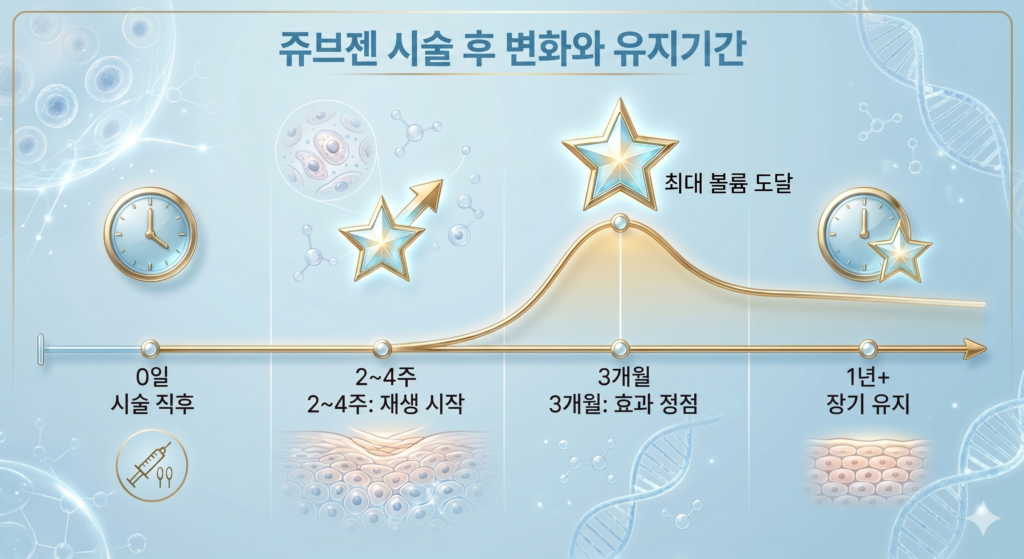
Then what about the duration of maintenance?
Because the new tissue is real collagen in my body, it doesn't get absorbed and disappear in a few months like fillers do.
It's reported to last for several years on average, but our bodies are aging every day, aren't they?.
While the treatment's effects themselves remain, new wrinkles can reappear due to aging.
So, the expression “semi-permanent” means that “the created tissue does not disappear,” not that “wrinkles will not form for a lifetime.”.
Honestly, what's the downtime and post-procedure care like?
The procedure time is approximately 20-40 minutes depending on the area.
Downtime is 2 to 3 days of swelling, and most recovery happens in about a week.
For subcision procedures, bruising and hematoma are reported as the main side effects., Reference: SL Aesthetic Clinic Jubygen precisely injects an ultra-small amount of 0.001cc using automated equipment, resulting in less tissue damage compared to manual procedures.
After the procedure, please be careful when washing your face for 48 hours, and it is recommended to avoid strong sun exposure.
During spring when yellow dust is common in Korea, or during the summer with strong UV rays, diligently applying sunscreen after a procedure will aid in recovery.
💬 [Director Kim Young-kyun's Comment]
“There's something I always tell my patients. ‘Juvéderm is a slow treatment.’ After the treatment, you might look in the mirror within a week and think, ‘Is this really working?’ But if you come back three months later, most people say, ‘Ah, it has changed.’ You need to be a little patient. However, once it's filled in, it lasts a long time.”
📝 One-line summary: The basic treatment involves 1-2 sessions every 2 months. Effects appear 2-4 weeks after treatment, are most prominent around 3 months, and can be expected to last for several years as it uses your own tissue.
5. When choosing a Juvederm hospital in Gangnam, what are the essential criteria to check?
To be honest, the treatment at Gangnam Jubujen is not about the equipment, but about the practitioner's hands determining the results.
The Jurvzen device itself is a genuine medical device approved by the Ministry of Food and Drug Safety, and the manufacturer (JSDR) supplies the same equipment to its affiliated hospitals. Reference: JSDER Official
It also won the 2024 Korea Excellent Patent Award and was selected for the 2025 K DESIGN AWARD.
However, even with the same equipment, the results vary greatly.
This is why.
The depth of wrinkles, skin thickness, and the degree of scar adhesion all vary from person to person.
The amount and distribution of collagen produced will completely change depending on the depth, interval, and number of times 0.001cc is injected.
What's more important than equipment: One question to check the practitioner's skill
Ask this one question in the counseling room.
“How do you design the injection depth and protocol to match the depth of my wrinkles?”
If a doctor can answer this question specifically, it can be determined that they have a thorough understanding and experience with the procedure.
Conversely, if you receive the answers “They're all the same” or “The device handles it,” it would be advisable to think a little more carefully.
And one more thing.
Juvéderm can be administered by dermatologists and plastic surgeons alike. What's important is not the specialty, but the understanding of the dermal layer's structure and the clinical experience with the procedure.
It's also a good idea to check if they have enough procedures and if they can show you before and after photos.
[Dr. Kim Young-gyun's Comment] How Core Dermatology Designs Juvéderm
💬 [Director Kim Young-kyun's Comment]
“At CORE Dermatology, Juvéderm is often not used as a standalone treatment. We employ a hybrid design where Juvéderm is used to regenerate recessed areas, while lifting procedures like Ulthera or Thermage are used simultaneously to address sagging surrounding tissues. For example, if someone has deep nasolabial folds, filling the crease with Juvéderm and lifting the surrounding sagging skin with a lifting treatment will result in a more three-dimensionally natural outcome. As a dermatologist with 15 years of experience observing various skin conditions, CORE Dermatology's approach is to honestly acknowledge the limitations of single treatments and find the optimal combination for our patients.”
📝 One-line summary: Even with the same Juvederm equipment, results can vary greatly depending on the practitioner's experience and design skills. Therefore, you must confirm that the specialist can specifically explain the injection depth and protocol.
Gangnam Jubjensen FAQ
If you are considering Juvederm autologous collagen regeneration in Gangnam, we recommend that you consult with a dermatologist 1:1 in person before the procedure to confirm whether the procedure is appropriate for your wrinkle depth and skin condition.
At Core Dermatology, Dr. Kim Young-kyun, the chief director with 15 years of experience as a dermatologist, personally handles consultations and procedures. He carefully evaluates each patient's skin condition to determine if Juvederm is suitable or if a hybrid approach is needed, such as combining it with Ulthera or Thermage FLX for lifting.
Don't just choose a hospital based on reviews and cheap prices without any specific criteria. If you remember these three checklist items I'm about to share today, you'll be able to make confident decisions at any hospital.
Thank you for reading the long text.
Sincerely, Kim Young-gyun, Chief Director of Core Dermatology
⚖️ Legal Notice This article is for informational purposes only and does not guarantee the effectiveness of any specific procedure. Procedure results may vary depending on individual skin condition, health status, lifestyle, and other factors. Please consult with a specialist to determine if a procedure is right for you. This content has been prepared in compliance with Article 56 of the Medical Service Act and the standards for medical advertising review.
📍 Core Dermatology Clinic, Room 302, 3rd Floor, Jaekyung Building, 833 Nonhyeon-ro, Gangnam-gu, Seoul (3-4 minute walk from Exit 4, Apgujeong Station) 📞 02-512-0326
📚 References



 한국어
한국어  English
  日本語
日本語  简体中文
简体中文